And the Word became flesh and made his dwelling among us, and we saw his glory. (John 1.14)
He came under the shadow of night, when the sky was dark, not under the bright lights, when all was visible. To see him, look for him earnestly, even in the dimness, even when you can see nothing. Behold him.
Those who saw him at first found nothing special about him, only a baby, until they stared into his eyes. To see him, peer into the face of the lowly, the overlooked, the ordinary. Behold him.
The first to see his glory were shepherds, simple herdsmen, the smell of sheep on their clothes. To see him, know that the simple, the shabby-clothed, the unshaved often find him more easily than the posh, the polished, the polite. Behold him.
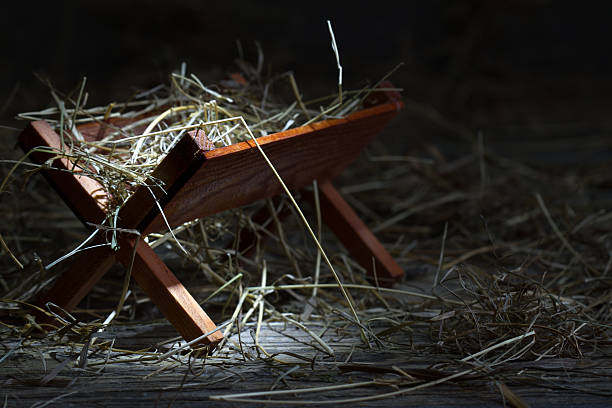
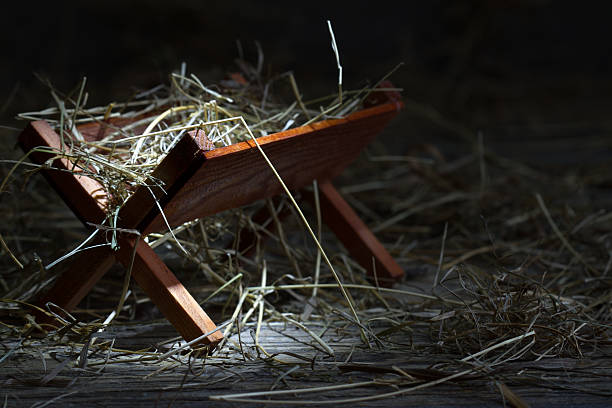
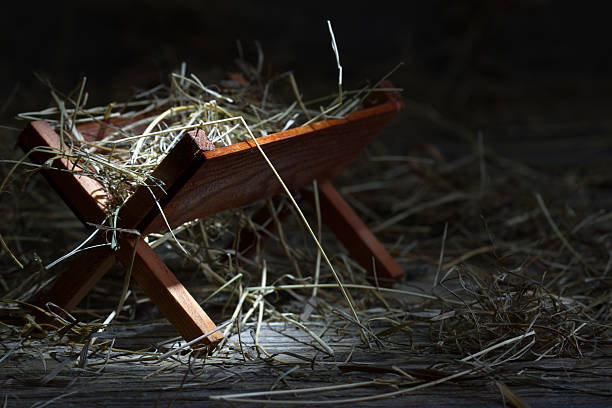
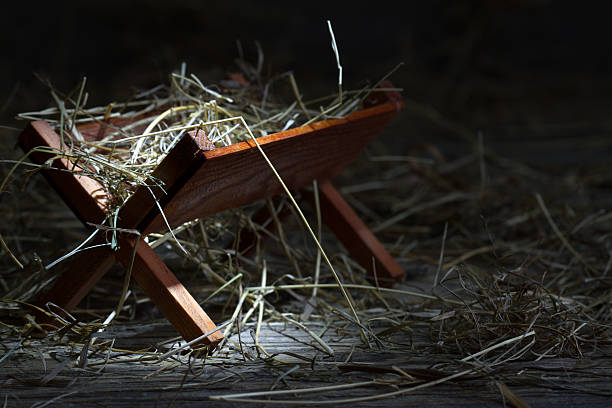
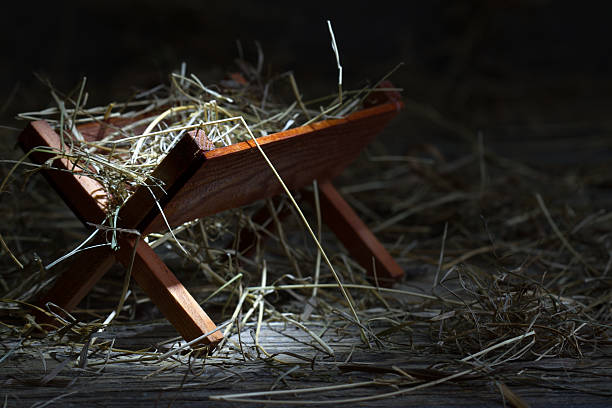
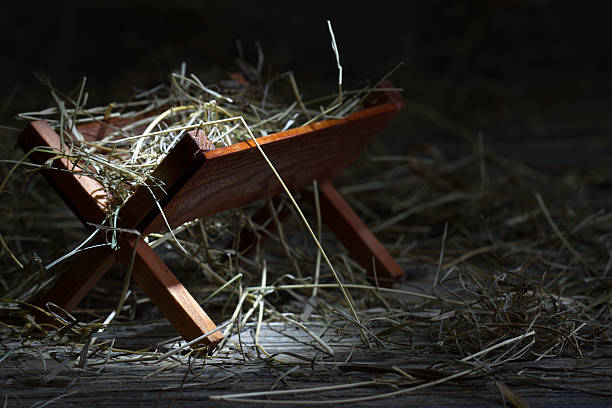
His first night on earth he lay in a manger, a feed bin for animals, straw his only cushion against the cold. To see him, waste little time looking for him in cushy or lush or plush places. Behold him.
Wise men found him when they followed a star, a single sparkle in the black sky. To see him, let a light guide you, either from a star above you, or from a flame within you. Behold him.
Born in Bethlehem, a place of little importance, a one-inn town, it was his first home. To see him, search in out-of-the-way places, in the middle of nowhere, sometimes in a desert. Behold him.
Hearing of his birth, the big city king saw him as a threat, fearing he would lose his power. To see him, watch for him away from the halls of power, look instead among the lines of the poor, those without coins or crowns. Behold him.
Angelic voices heralded his birth in the night sky, but only the shepherds heard the sound of the spheres. To see him, listen to the music of the night sky, the song of invisible wings fluttering in the air. Behold him.
Those who crept into the cave that night first saw his mother beside the crib, near to him, her firstborn. To see him, observe a mother’s love, never-ending, never-judging, never far. Behold him.
Angels told the keepers of the sheep how they might find him, pointing the way for them. To see him, befriend an angel or two, those who can show you the way, guiding your footsteps. Behold him.
His birth was unexpected, both his conception and his delivery, both out of the blue, throwing off all plans. To see him, let go of your precise plans so God’s plans can work, unorganized and unorthodox as they may look. Behold him.
Everything about him was unexpected, from his first breath to his last breath, born like a commoner, dying like a criminal. To see him, drop all your expectations. Be surprised. Behold him.
When the angels announced his birth, the first words they spoke, whether to the mother-to-be or to shepherds-on-the-watch, were the same, “Do not be afraid.” To see him, let go of your fear, let go of your control. Fly without a parachute. Behold him.
Simeon, old-aged and bone-tired and sight dimmed, saw the newborn child in the temple and shouted with joy, “My eyes have seen your salvation.” To see him, gaze with the eyes of the heart, not with the eyes of the head. Behold him.
The soured innkeeper saw beggars in the night, not the savior of the world, shutting the door in their face. To see him, open the doors of your heart, especially to the downtrodden, to the downcast, to the down-on-their-luck. Behold him.
Today, he makes his dwelling among you again. To see him, pray, as he said, for eyes that see and ears that hear, so that you might behold him.
–Jeremy Myers

 Sunday Brunch