As I see it, Valentine’s Day and Sweethearts belong together, like strawberries and chocolate or like Sonny and Cher, before the divorce, of course. That’s why Valentine’s Day last year lost some of its sweetness–literally–when Sweethearts–those heart-shaped candies with imprinted messages such as “Be Mine” or “”Kiss Me”–were not sold.
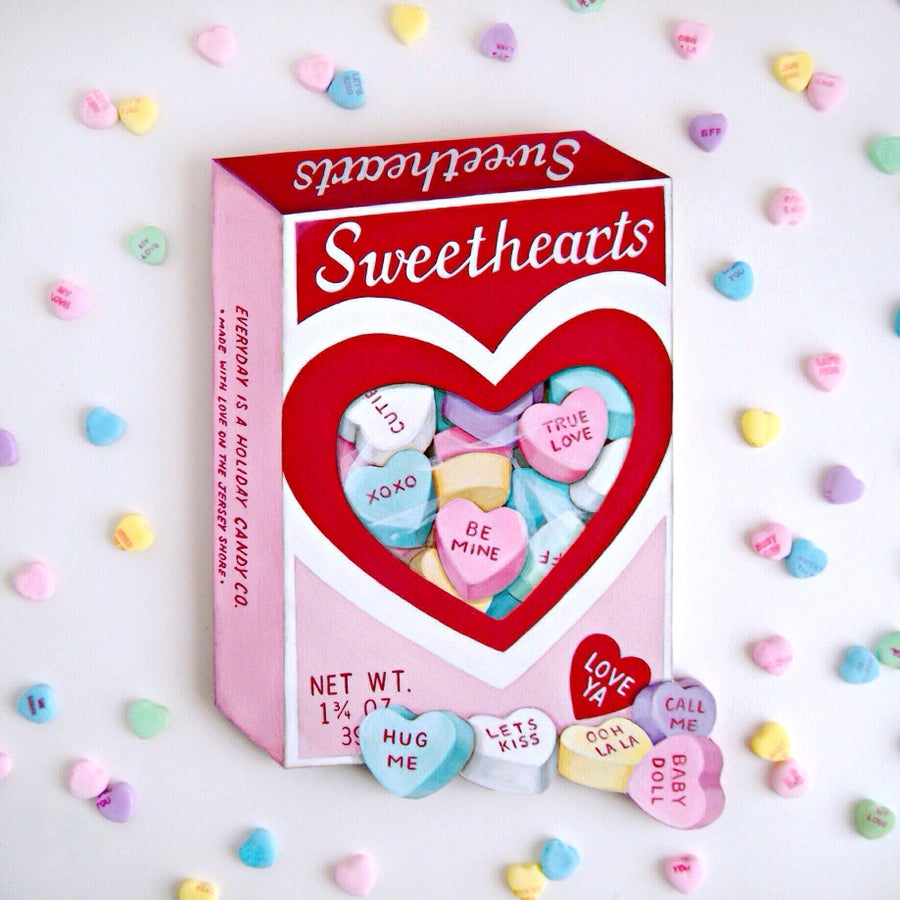
It was a big deal, especially when you consider that Sweethearts had been sold for 118 years, dating back to 1902 when the brand was created. Originally, these candies were shared at parties and weddings, making their way soon enough into Valentine’s Day. It didn’t take long for Sweethearts to become very popular, synonymous with the day dedicated to sweethearts.
Part of the charm of Sweethearts, as most of us can confirm, was the sayings that were imprinted onto the hearts, short messages–think text messages before there were iPhones–such as “Be Good,” “Be True,” “Marry Me,” or “All Mine.” Some of the sayings had legs, meaning they stayed through the years, while others were retired.
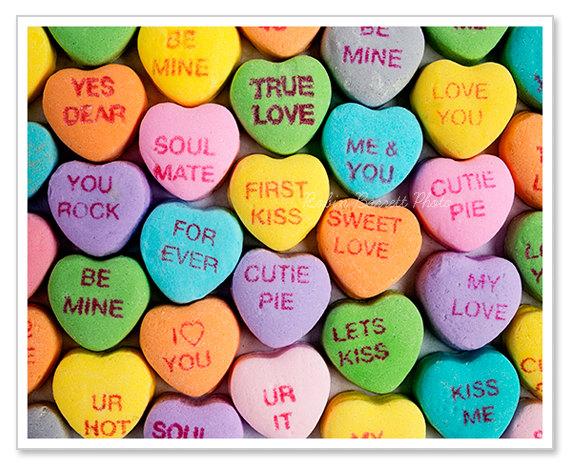
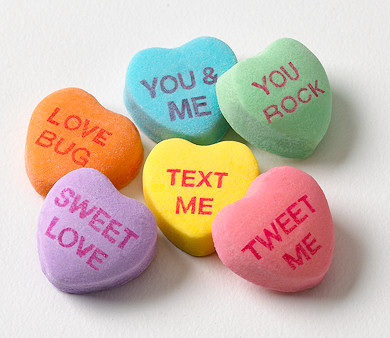
Late in the game, Sweethearts added new sayings each year, reflecting the changes in culture as well as the changes in the way we talked. In many ways, these changes charted the course of technology, carrying messages such as “Fax Me,” then “Call Me,” and now “Text Me.” The company making the candy regularly received suggestions for new sayings, some of which made it onto the candy.
But then the original company shut down and there were no Sweethearts on Valentine’s Day in 2019, a monumental mishap, like summer without snow cones, or Christmas without eggnog. Fortunately, a new company came to the rescue, moving the old equipment in 60 trucks to a new factory, learning too late that some of the printers were messed up, resulting in messy messages, some illegible, decipherable about as well as a doctor’s handwriting.
So, if you bought a box of Sweethearts this year, you might be disappointed to see that most of the hearts don’t carry a message. One customer complained online that only two of the candies in the box had messages. While I also looked forward to the imprinted messages, I also admit that many times I chewed the candies without pausing to read them, more interested in the sweet taste than the sweet words.
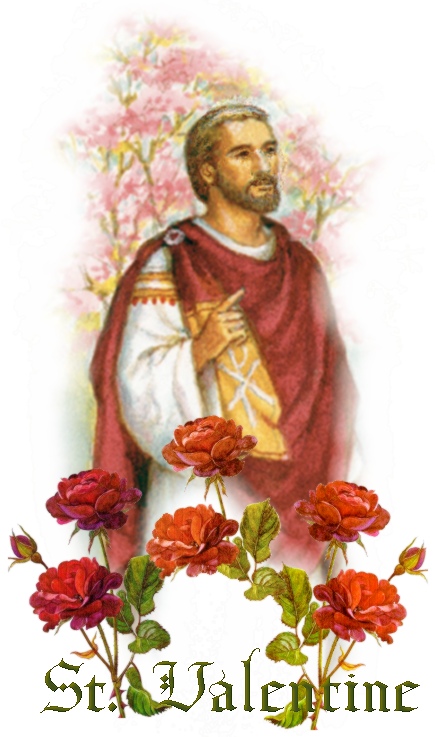
While Sweethearts have a long history, Valentine’s Day has a longer history, with roots in ancient Rome, the most popular having to do with a mysterious figure called Saint Valentine, who was imprisoned because he was a Christian and and who–according to one legend–sent a letter to his sweetheart signed, “From your Valentine,” a phrase that would become synonymous with the day.
Others claim that the early Church decided to take over a pagan celebration that occurred in mid-February, a fertility festival dedicated to the Roman god of agriculture, as well as to the twin founders of Rome, Romulus and Remus. These Christian leaders cleaned it up, added a saint’s name, and put it on the annual church calendar.
As the centuries passed, Valentine’s Day became a popular celebration, with friends and partners in a relationship exchanging small gifts or handwritten notes. Historians believe Americans likely began exchanging hand-made valentines already in the early 1700’s. Mass-produced cards were put on the market in the 1840’s. Today, over 145 million cards are sent each year on Valentine’s Day, making it the second largest day of card sending, after Christmas, of course.
As a grade schooler, I remember Valentine’s Day was a big deal, beginning days before, as we decorated small paper sacks, usually white, if available, with hearts and other colorful artwork. These bags were taped in a long horizontal line to the chalk holder below the chalkboard, with our names at the top, mailboxes of a sort ready for the Valentine cards that we had prepared at home and that we would place into these bags on Valentine’s Day, usually as soon as we arrived in the classroom, but sometimes at noon recess.
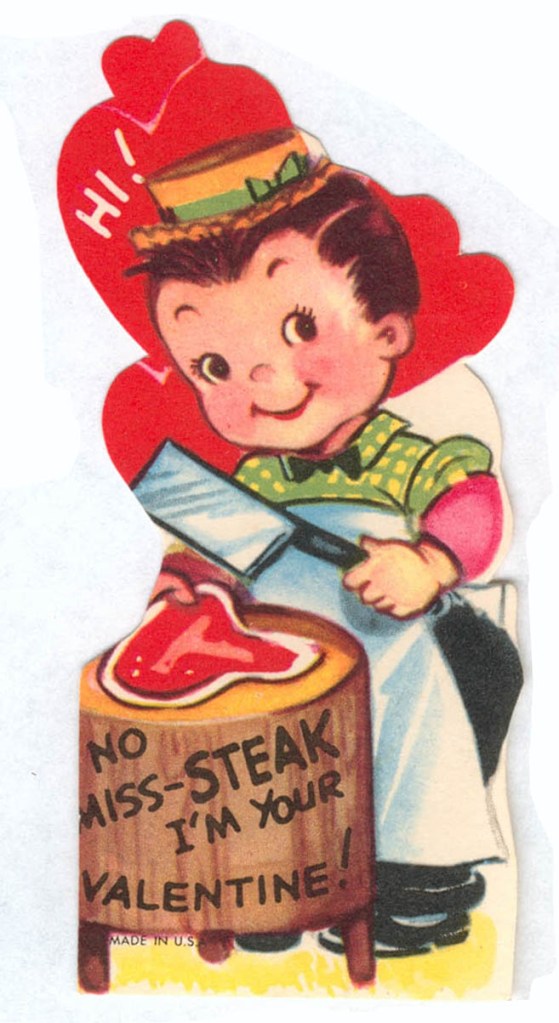
As I think back on those days, it seems there was something surreptitious or almost secretive as we put the cards into the bags, not wanting everyone to see who were the recipients of our Valentine cards, not wanting others to realize that maybe we carried a crush on someone, a fact with which we weren’t ready to go public, especially at that young age.
Also, as with almost everything else in elementary and middle school, where there always was a competitive layer to just about anything and everything, it became a contest to empty our bags and to count the number of valentines that we had received. Looking back, I can see some cruelty in this practice, as the omnipresent popularity contest now played out in the number of valentines each person had received, like a sports scoreboard lighting up with the winning number.
A simple remedy, of course, would have been to give everyone in the classroom a Valentine’s card, a solution some students followed, undeniably egalitarian for sure, but defeating the purpose of Valentine’s Day, intended to communicate something special between two people, not between a roomful of people. If everyone is special, then no one is special, like giving a blue ribbon to everyone, even though only one person came in first place.
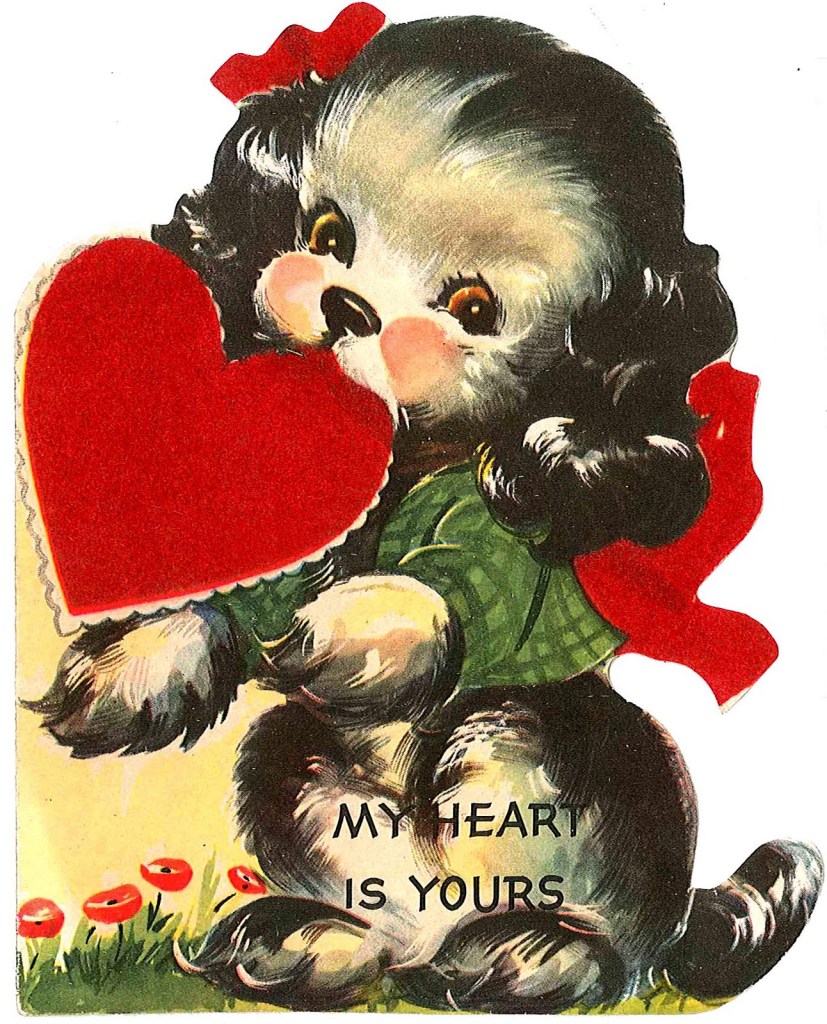
Just as importantly, and surely more fair-minded, was the Valentine’s Day party that occurred sometime during the day, usually at the close, when sugar intake would not destroy any chance of learning, as it would have had at the start of the day, kids hyped up on sugar like athletes wired on adrenaline. This was a cookie and punch party, with cookies usually heart-shaped, with the punch or kool-aid also pink or red-colored to match the theme of the day.
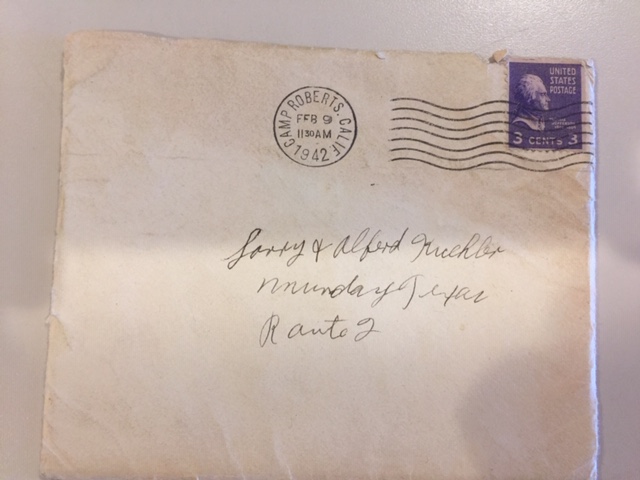
Recently, in going through some of my grandmother’s old things left behind when she died almost fifty years ago, I found two very old Valentine Day’s cards, written by my uncle, and mailed to his two younger brothers. The valentines were postmarked February 9th, 1942, and were mailed from Camp Roberts, California, where my uncle was stationed for a brief period, as he and others prepared for World War II.
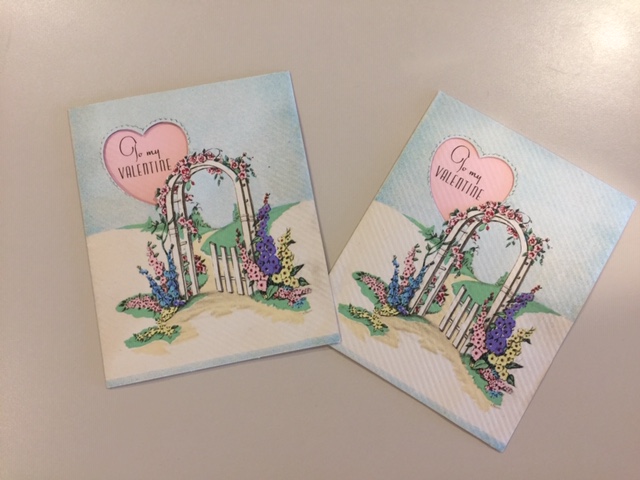
At the time, my uncle was a month shy of 23-years-old, and his brothers were 13-years-old and 11-years-old. Although the cards are now 78-years-old, the bright colors have not dulled, and the ink of his signature is still legible. The printed text inside the cards read: “To my Valentine, Every thought of you brings sunshine, that is why, all seasons through, there’s a garden of good wishes, blooming happily for you!” The cards are signed, “Your Bud, Rein.”
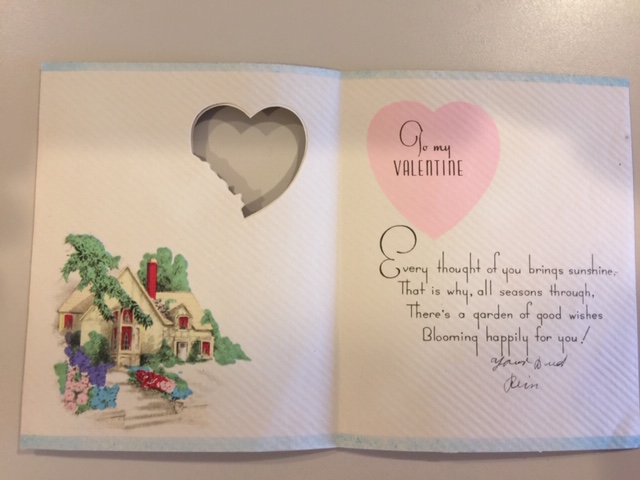
That my grandmother held onto these cards for thirty years until her death indicates the sentiment that the cards held for her, a sentiment understandable these many years later, the bond among her sons expressed so clearly in these cards, not broken by distance or age, an older brother now a soldier, uncertain of what the days ahead might bring to him in the battles that awaited, reminding his two younger brothers back home on the farm that they are still and always will be his buddies.
A three-cent stamp featuring Thomas Jefferson is postmarked in the upper right corner, but the cards had far more value even then, more even now, expressing love and loss, love between brothers, loss because of the separation wrought by war. Those cards expressed so much more than the words imprinted on them, so much more than the stamp stuck onto the envelope, something that not even war could take or destroy.
As is so often the case with our words, poetic or grand as they may be, still so often inadequate to the task assigned them, these Valentine cards were too small for everything my uncle wanted to say. What the words tried to say, but fell short of saying, is found in my grandmother’s keeping them long after her son had returned from war, long after all her boys had become men.
On this special day, as the sun shines brightly, with the wind carrying still a hint of winter chill in it, I looked out the window, seeing the florist van delivering flower arrangements down the street, another symbol of the love we try to express for others in whatever way we can, in cards, in chocolates, in candy hearts, a love bigger than the carrier pigeons we assign to the task.
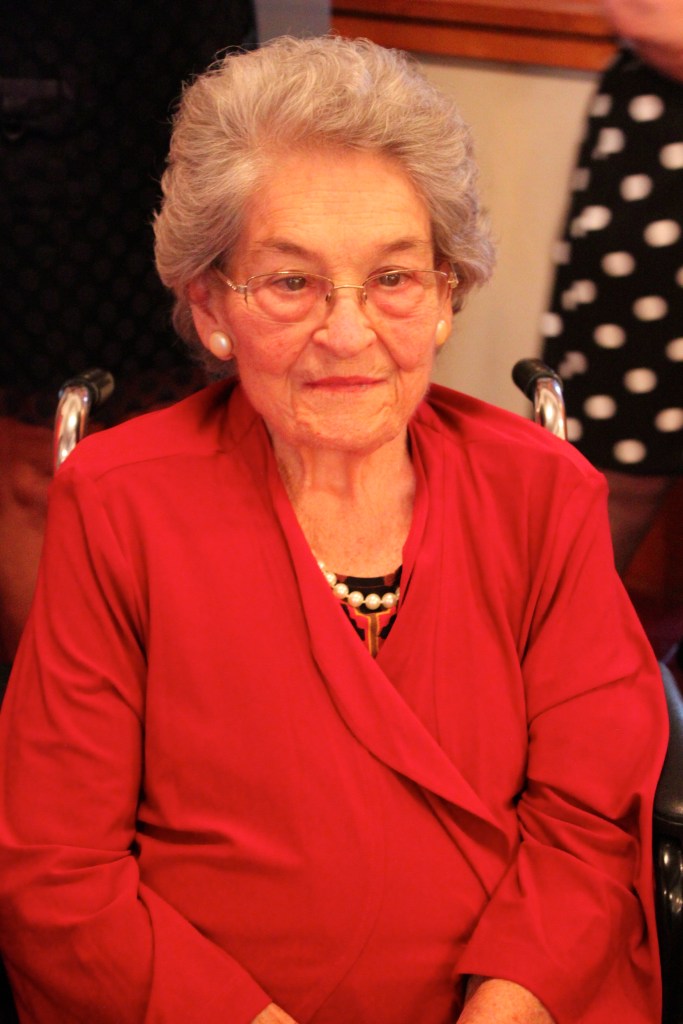
But the van did not stop at my mom’s front door this year, as it has for so many years before, with the driver jumping from the van, rushing to the door, giving Mama the bouquet that I sent her each year, brightly colored flowers that I hoped would brighten her day, sweet smelling petals that permeated the air with life and with love.
I watched the van move down the street, making other stops this year, wanting it to stop one more time at Mama’s doors, but knowing some wishes aren’t granted, however much we want them. Still, I smiled, knowing that genuine love lasts longer than any flower on earth, breaking down the barriers of death, allowing love to flow freely back and forth, from heaven to earth, from earth to heaven. Happy Valentine’s Day, Mama! I love you!
–-Jeremy Myers

 Sunday Brunch